

How EcoWater Filters Enhance Your Home’s Drinking Water

Key Takeaway EcoWater filters elevate everyday drinking water by improving taste and reducing specific contaminants—backed by third-party certifications (NSF/ANSI 42, 53, 58, 61/372) and decades of R&D. Long Island Clean Water Service installs EcoWater and other USA-made systems, then recommends the right fit after testing your water—because the best solution depends on your home, your plumbing, and your water report. Long Island Clean Water Service (LICWS) is one of Long Island’s oldest and largest residential & commercial water-treatment providers—serving New York and the greater metropolitan area since 1985. Our licensed, factory-trained technicians have installed and serviced thousands of systems across Nassau, Suffolk, and the five boroughs, so we know the nuances of local water conditions (municipal and well) and how to solve “problem water” reliably. Better water should be simple: great taste, fewer worries, and filters that actually do what the label says. That’s why many Long Island households choose EcoWater—a U.S. manufacturer with rigorous third-party NSF listings and a long track record of product R&D. We love EcoWater for many homes, but we’re not tied to a single brand; we evaluate your water first and then recommend the right USA-made solution for your goals, budget, and plumbing. Ready to talk through options? Connect with our local team. The Importance of Drinking Water Filtration (and Where EcoWater Fits) If you’ve ever thought, “My water looks clear—do I really need a filter?”, you’re not alone. The truth is, clarity doesn’t tell the whole story. City water is disinfected (a good thing), but chlorine and its byproducts can affect taste and odor. Private wells have their own quirks, from seasonal shifts to naturally occurring minerals and organics. That’s why drinking water filtration matters: it’s the last step between your tap and your glass—tuning taste, reducing specific contaminants, and giving you confidence in what you’re drinking every day. EcoWater’s role is pretty simple: match the filter to the job. Their lineup includes systems focused on aesthetic improvements (that “pool” smell or odd flavors), point-of-use reverse osmosis for broad contaminant reduction at the kitchen sink, and whole-home filtration to make every tap feel better. We test first, then pick the configuration that makes sense for your home—sometimes that’s EcoWater, sometimes another USA-made system that’s a better fit. Why EcoWater? Certifications, Research & Real-World Taste Certifications matter because they verify performance beyond marketing claims. EcoWater appears in the NSF/ANSI listings for multiple standards: NSF/ANSI 42 (Aesthetic Effects) – taste, odor, and chlorine reduction for better-tasting water. NSF/ANSI 53 (Health Effects) – reduction claims for health-related contaminants (filter-specific). NSF/ANSI 58 (Reverse Osmosis) – membrane systems for broad contaminant reduction at the tap. NSF/ANSI 44 (Residential Softeners) – ion-exchange softening performance (when softening is part of the plan). NSF/ANSI/CAN 61 & NSF/ANSI 372 – material safety and low-lead content for components in contact with drinking water. For transparency, you can see EcoWater’s listings in the NSF database here: NSF Certified DWTU Listings and NSF Company Profile. EcoWater also shares its product research focus on the Water Research & Development page. (We summarize key points here so you don’t have to click away.) What EcoWater Filters Improve Day to Day Most families notice the difference first in the glass: fewer “pool” smells, coffee that tastes right, and water that just feels clean. Under the hood, the benefits line up with national guidance from the CDC’s homeowner filter guide and the EPA’s filtration overview: Cleaner taste & smell (NSF 42) – Activated carbon stages reduce chlorine and many odor-causing compounds. Targeted health contaminants (NSF 53 &/or 58) – Specific cartridges and RO membranes are tested for the reduction claims they list (e.g., lead at the tap with RO, select VOCs with specialty media). Material safety (NSF 61/372) – Components in contact with water meet standards for low lead and safe materials. Important note: every cartridge or RO model has specific reduction claims. We test your water and select the configuration that covers your priorities—then set a maintenance schedule so performance stays on spec. Potential Health Benefits You Can Feel Day to Day Health isn’t just about what you cut out—it’s also about what you stick with. When water tastes clean and smells right, families naturally drink more of it (hello, better hydration). At the same time, a point-of-use RO system can target the tiny dissolved contaminants most basic filters miss, while carbon stages polish taste and odor. The result is water that’s both easy to love and easy to trust. Quick double-check: both the CDC and the EPA emphasize two simple rules—match the filter to the contaminant, and replace on schedule. Quick Facts: EcoWater Filters & Drinking Water Filtration EcoWater is a U.S. brand with NSF listings across multiple standards (42, 44, 53, 58, 61/372). Point-of-use RO is the most popular way to upgrade drinking/cooking water at the kitchen sink. Whole-home carbon improves taste/odor across every tap; RO “polishes” water at the faucet. Selection and upkeep should follow EPA/CDC guidance: match filters to contaminants and replace on schedule. LICWS installs EcoWater and other USA-made systems and recommends the right setup for your water. Point-of-Use vs. Whole-Home: What Fits Your Kitchen & Budget? Your best experience often combines both: a whole-home system for showers, laundry, and plumbing protection—and a dedicated drinking-water filter at the kitchen sink for the highest quality in the glass. Here’s the simple breakdown: Option What It Improves Why Households Choose It Typical Maintenance Point-of-Use RO (EcoWater RO at sink) Drinking water filters Great taste; reduction of specific health contaminants (e.g., lead at the tap); bottled-water quality for cooking and drinks. Best value per glass; avoids plastic bottles; pairs well with whole-home carbon. Prefilters ~6–12 months; RO membrane ~2–3 years; quick annual check. Whole-Home Carbon Whole-house water filters Chlorine/odor reduction to every tap; nicer showers; better-tasting ice and cooking water pre-RO. Improves the whole home environment; protects plumbing and fixtures. Cartridge 6–12 months or tank media 3–5 years (system-dependent). Softener (if hardness is an issue) Scale control for appliances/fixtures; smoother laundry/showers. Comfort & maintenance savings; works
Mastering Ecowater Filter Replacements: A Comprehensive Guide

Key Takeaway: Ecowater filter replacements are essential to maintain the effectiveness and efficiency of your water filtration system. Regular replacement of Ecowater filters ensures optimal water quality by preventing impurities from clogging the system. By recognizing signs like decreased water pressure or changes in taste, homeowners can ensure timely replacements and maintain safe, clean water supply. Mastering Ecowater Filter Replacements: A Comprehensive Guide Clean water plays a vital role in our daily lives, supporting our health and well-being. Ensuring that the water we consume is pure and free from contaminants is essential for maintaining a healthy lifestyle. One of the key components in achieving this is through the use of reliable water filtration systems. Among these, Ecowater filters stand out for their efficiency and effectiveness in providing high-quality water. Ecowater filter replacements are crucial for maintaining the optimal performance of your water filtration system. Over time, filters can become clogged with impurities, reducing their ability to provide clean water. Regularly replacing these filters ensures that your system continues to operate at its best, delivering the pure water your household needs. This article will guide you through the process of mastering Ecowater filter replacements. We will cover when and how to replace your filters, as well as provide insights into various Ecowater replacement filters. By understanding these aspects, you can ensure that your home always has access to safe and clean water. Understanding the Importance of Timely Filter Replacement Regular maintenance and timely replacement of filters are essential for keeping your water filtration system effective. When filters are not replaced on time, they can become less efficient at removing impurities. This can lead to a decline in water quality, which may affect your daily activities and overall comfort at home. Neglecting filter changes can result in reduced efficiency of your water filtration system. As filters become clogged with contaminants, they struggle to perform their function, allowing impurities to remain in the water. This can compromise the quality of the water you use for drinking, cooking, and cleaning. Knowing when it’s time for an Ecowater filter replacement is crucial for maintaining high water quality. Regularly checking your filters and understanding their lifespan can help you avoid potential issues. By staying proactive with filter replacements, you ensure that your water filtration system continues to provide the benefits you expect. When to Replace Your Ecowater Filters The lifespan of Ecowater filters varies depending on several factors, including water usage and quality. Typically, filters need replacement every six months to a year. However, if your household uses a lot of water or if your water contains high levels of impurities, you may need to replace them more frequently. Recognizing the signs that indicate a need for filter replacement is important for maintaining your system’s efficiency. If you notice a decrease in water pressure or a change in taste or odor, it may be time to replace your filters. These changes suggest that the filters are no longer effectively removing contaminants from your water. Homeowners often face common scenarios that require timely filter replacements. For instance, after a significant increase in water usage or following a local advisory about water quality issues, it’s wise to check your filters. Understanding these scenarios helps you stay ahead of potential problems and ensures that your Ecowater filters continue to perform optimally. Fascinating Facts About Ecowater Filter Replacements Regular filter replacements play a vital role in maintaining effective filtration and ensuring high water quality at home. Timely filter changes prevent reduced efficiency and compromised water quality, protecting your household from potential issues. Different Ecowater filters have varied lifespans influenced by factors like water usage and quality, making it essential to know specific timelines for each type. Recognizing signs such as decreased water pressure or unusual tastes can signal the need for a filter replacement. Replacing Ecowater filters effectively involves following a step-by-step guide and using the right tools to ensure safety and effectiveness. Ecowater systems offer a range of replacement filters that cater to diverse water treatment needs, enhancing their versatility for homeowners. For Long Island residents, Ecowater systems provide unique advantages by addressing local water conditions and improving overall water quality. Consulting a professional can provide the tailored advice needed to make informed decisions about filter replacements and water treatment solutions. How to Replace Ecowater Filters Effectively Replacing your Ecowater filters involves a straightforward process that ensures your system continues to function optimally. Begin by turning off the water supply to prevent any leaks or spills. Next, release any built-up pressure by opening a faucet connected to the system. Carefully remove the old filter by unscrewing it from the housing. It’s essential to follow these steps to maintain safety and effectiveness during the replacement process. Before installing the new filter, inspect the O-rings for any signs of wear and replace them if necessary. Lubricate them with a bit of silicone grease to ensure a tight seal. Insert the new filter, ensuring it is properly aligned, and screw it back into the housing. Tighten it securely but avoid over-tightening, which could damage the unit. Once the new filter is in place, turn the water supply back on and check for leaks. Allow water to run through the system for a few minutes to flush out any air or loose particles. For more detailed guidance, you might consider insights related to installing a whole home water filtration system, which can provide additional context on maintaining your system. Exploring Different Types of Ecowater Replacement Filters Ecowater replacement filters come in various types, each designed for specific applications. These filters cater to different water treatment needs, ensuring that your system addresses the unique challenges of your water supply. For instance, carbon filters are excellent for reducing chlorine and improving taste, while sediment filters target larger particles like sand and dirt. The versatility of Ecowater systems allows homeowners to customize their filtration setup according to their needs. This adaptability means you can combine different filters to tackle issues such as iron, lead, or
Bellmore’s Water Quality: Essential Insights for Residents

Key Takeaway: Bellmore residents are increasingly focused on improving water quality due to the presence of contaminants like iron and sulfur. Many are turning to Phountain Bellmore for solutions and advice on filtration systems tailored to their needs. Local testing is crucial for identifying specific water quality issues and ensuring clean, safe water. Bellmore’s Water Quality: Essential Insights for Residents Water quality plays a vital role in our daily lives, influencing everything from our health to the efficiency of our home appliances. In Bellmore, residents are becoming increasingly aware of the significance of maintaining high water quality. Understanding Bellmore’s water quality is essential for local residents. The area’s water supply faces unique challenges that can affect household plumbing and everyday living. By staying informed about these issues, residents can take proactive steps to ensure their water remains clean and safe. This article provides insights into the water quality issues faced by Bellmore residents and offers practical solutions to address them. From understanding common contaminants to exploring effective filtration options, we aim to equip you with the knowledge needed to make informed decisions about your water quality. Understanding Bellmore’s Water Quality Bellmore’s water quality has been a topic of concern for many residents. Recent findings indicate that various contaminants can be present in the local water supply. These contaminants may include sediments, minerals, and other impurities that can impact household systems. Understanding the current state of Bellmore water quality is crucial for taking appropriate action. Common contaminants found in Bellmore’s water include iron and sulfur, which can cause issues like staining and unpleasant odors. These elements can affect not just the plumbing but also the overall enjoyability of using water at home. Addressing these concerns requires a comprehensive approach that includes both awareness and action. Residents should stay informed about their water quality and consider local testing options available in the area. Regular testing helps identify specific issues and allows homeowners to implement targeted solutions. By taking these steps, Bellmore residents can ensure their water remains safe and pleasant to use. Recognizing Common Contaminants Iron and sulfur are two common contaminants that can affect Bellmore’s water supply. Iron can lead to reddish stains on fixtures and laundry, while sulfur often causes a distinct rotten egg smell. These issues not only impact the appearance and smell of the water but can also affect the performance of household appliances. When iron and sulfur accumulate in plumbing systems, they can cause blockages and reduce the efficiency of appliances like dishwashers and washing machines. This can lead to increased maintenance costs and decreased appliance lifespan. Understanding these impacts is crucial for homeowners looking to maintain their systems effectively. To address these concerns, residents might consider solutions such as specialized filtration systems. For example, dealing with a sulfur smell in water often involves using filters designed to target specific contaminants. By implementing these solutions, homeowners can improve their water quality and protect their home investments. Important Facts About Bellmore’s Water Quality Bellmore’s water quality faces challenges due to various contaminants. Residents can gain insights by exploring recent findings. Common impurities like iron and sulfur impact plumbing. Address these issues with targeted solutions to protect your home’s infrastructure. Whole-house filtration systems offer comprehensive protection against local water contaminants. Learn more about whole-house filtration systems. Water filters can significantly improve water taste and reduce appliance wear, which enhances the overall quality of life. Discover the benefits of effective filtration. Choosing the right water filtration system is crucial for addressing specific water issues. Consult a buyer’s guide to make informed decisions. Financing options are available for homeowners looking to install filtration systems. Explore special offers to ease the investment. Solutions for Cleaner Water Bellmore residents can take several actionable steps to enhance their water quality. One effective method involves installing whole-house filtration systems, which can address a wide range of impurities and contaminants. These systems can be tailored to meet the specific needs of your home, ensuring that water quality improves across all faucets. For those interested in comprehensive solutions, installing a whole-home water filtration system offers a robust option. Consulting with water treatment professionals can provide personalized advice, helping homeowners make informed decisions about their water treatment needs. Professionals can assess the specific water conditions in your area and recommend the most suitable systems. This ensures that you have all the information you need to make a decision that is right for your specific needs. It’s important to remember that there is no one-size-fits-all solution for water treatment. Each home may require different systems or configurations to address unique water quality challenges effectively. By seeking professional guidance, residents can ensure they choose the best options for their circumstances. Benefits of Effective Water Filtration Effective water filtration offers numerous benefits for households in Bellmore. One of the most noticeable improvements is in the taste and odor of the water, which can make daily consumption more enjoyable. Additionally, filtration systems can help reduce wear and tear on appliances by minimizing the buildup of minerals and other deposits. Health outcomes may also improve with effective filtration, as these systems can drastically reduce impurities that might otherwise be consumed. This can lead to better overall well-being for family members. To explore further advantages, consider learning about the 10 benefits of water filtration. Beyond taste and health, effective filtration contributes to the longevity of plumbing systems and household appliances. By reducing mineral deposits, these systems can help maintain efficiency and reduce maintenance costs over time. Choosing the Right System Selecting the right water filtration system involves understanding your specific needs and conditions. It’s essential to consider factors such as the size of your household, the types of contaminants present, and your budget. Proper selection and sizing ensure optimal results, providing peace of mind knowing your water is clean and safe. For those unsure where to start, consulting a water filtration buyer’s guide can offer valuable insights into different systems available on the market. This guide can help you navigate the various options
Water Quality Trends and Solutions in Lindenhurst

Key Takeaway: Lindenhurst residents are increasingly concerned about local water quality, with issues like hard water and iron presence affecting household efficiency and personal comfort. Regular water testing is essential to identify and address these concerns, ensuring safe and clean water supplies. Implementing tailored solutions such as whole-home filtration systems can significantly improve water quality and reduce common water-related issues. Water quality plays a vital role in the well-being of any community, and Lindenhurst is no exception. Ensuring clean and safe water is essential for maintaining public health and the overall quality of life. In Lindenhurst, local water quality has become a significant topic of discussion, as residents seek ways to ensure their water meets high standards. Monitoring and improving water quality remains a key task for safeguarding the health and safety of the community. Understanding the importance of water quality involves looking at how it affects daily life, from the efficiency of household appliances to skin health. Addressing these issues requires a comprehensive approach, including regular water testing and the use of advanced treatment systems. Investing in a whole-home filtration system can help maintain superior water quality by addressing a wide range of contaminants. This article will delve into the current state of water quality in Lindenhurst, examining recent trends and common issues faced by residents. It will also explore potential solutions to these problems, highlighting the importance of regular water testing and the benefits of customized treatment systems. By understanding these aspects, residents can make informed decisions to improve their water quality and protect their health. Analyzing Lindenhurst’s Water Quality Lindenhurst’s water quality has seen various trends over recent years, reflecting broader environmental changes and local challenges. Residents have noticed issues such as hard water, which can affect the efficiency of appliances and lead to increased maintenance costs. Additionally, some individuals experience skin sensitivity due to certain minerals present in their water supply. Understanding these trends requires examining specific data points and statistics related to local water quality. For example, increased levels of minerals like calcium and magnesium contribute to hard water, impacting not only household appliances but also personal care routines. These minerals can lead to build-up in pipes and reduce the effectiveness of soaps and detergents, making everyday tasks more challenging. As we explore these issues, it’s important to consider how regular water testing practices can help identify and address these concerns. By regularly testing the water, residents can gain insights into specific contaminants present in their supply and take appropriate action to mitigate their effects. This proactive approach ensures that any potential problems are caught early, allowing for timely interventions that protect both health and home. The Importance of Regular Water Testing Regular water testing plays a crucial role in maintaining safe and clean water for Lindenhurst residents. By consistently monitoring water quality, homeowners can identify potential issues before they become significant problems. This preventative measure not only safeguards health but also helps maintain the efficiency of household systems. Common contaminants found during regional water tests include minerals that contribute to hard water, as well as other impurities that may affect taste or cause staining. Identifying these contaminants early allows residents to implement solutions tailored to their specific needs. For instance, if tests reveal high levels of iron, a targeted treatment system can be installed to address this issue effectively. Based on test results, residents can explore practical solutions such as installing filtration systems that target identified contaminants. These systems offer numerous benefits, including improved appliance efficiency and better skin health. For more details on how filtration can enhance your home environment, consider exploring the benefits of water filtration. Consulting a professional for tailored advice ensures that you have all the information you need to make a decision that is right for your specific needs. Important Facts About Water Quality in Lindenhurst Water quality trends reveal that Lindenhurst has been experiencing challenges with contaminants like iron and rust. Custom solutions like a water filter system can address these issues effectively. Regular testing is crucial to maintaining water quality. Residents can benefit from comprehensive water quality testing to identify and resolve potential problems early. Hard water, common in Lindenhurst, can impact household appliances and skin sensitivity. A salt-free water system can help alleviate these issues, improving overall efficiency and comfort. Whole-home water filtration systems may significantly reduce impurities. For more information on these systems, check out whole-home water filtration solutions. Innovative water treatment technologies continue to evolve, offering more efficient solutions. Discover new cutting-edge systems that have shown success in water purification. Residents interested in understanding what might be in their water can learn about local contaminants and take proactive steps to ensure their water is safe. Professional consultations provide personalized advice, ensuring residents choose the best solutions for their water needs. It’s always beneficial to consult local experts for guidance. Common Water Issues in Lindenhurst Lindenhurst residents often encounter water-related challenges, with hard water and iron presence being particularly prevalent. These issues can significantly affect household efficiency and comfort. Hard water, characterized by high levels of calcium and magnesium, can lead to scale buildup in pipes and appliances, reducing their lifespan and efficiency. Meanwhile, iron in water can cause unsightly rust stains on fixtures and laundry, making daily chores more cumbersome. The implications of these problems extend beyond mere inconvenience. Hard water may increase energy costs as appliances work harder to function efficiently. Iron presence can also affect the aesthetic quality of water, although it does not pose a health risk. Addressing these issues requires tailored solutions that consider the unique water quality challenges faced by Lindenhurst residents. For those dealing with iron and rust, installing a water filter system specifically designed to tackle these contaminants can greatly improve household water quality. Such systems help maintain appliance efficiency and enhance the overall comfort of your home environment. Tailored Solutions for Better Water Quality Addressing Lindenhurst’s water challenges involves exploring various water treatment options that cater to specific needs. Tailored solutions are essential because there
Step-by-Step Guide to Reverse Osmosis System Maintenance

Maintaining your reverse osmosis (RO) system plays a vital role in ensuring the longevity and effectiveness of your water filtration process. Proper upkeep of these systems can significantly enhance water quality, providing you and your family with cleaner drinking water. RO systems work by filtering out impurities and contaminants, making them a popular choice for households aiming for healthier water consumption. While reverse osmosis systems offer numerous benefits, they require regular maintenance to function optimally. Without proper care, these systems may not perform as expected, leading to reduced water quality. Regular maintenance ensures that the filters and membranes remain effective in removing unwanted particles and impurities from your water supply. This article will guide you through practical maintenance tips for your RO system. You’ll learn about routine checks, filter replacements, and the importance of consulting professionals. By following these steps, you can keep your system running smoothly and enjoy the benefits of high-quality drinking water. Routine Maintenance Checks Routine maintenance checks are essential for keeping your reverse osmosis system in top condition. Regular inspections help identify potential issues before they become significant problems. By conducting these checks, you can ensure that your system continues to provide clean and safe drinking water. Neglecting routine maintenance can lead to common issues such as sediment buildup, which can affect the system’s performance. Sediment can clog filters and reduce water flow, making it difficult for the system to function efficiently. By regularly checking for sediment and other potential problems, you can prevent these issues from affecting your water quality. Consulting a professional for routine maintenance checks can provide added peace of mind. Professionals have the expertise to identify issues that may not be immediately apparent. For those interested in ensuring their water quality remains high, booking a water quality test can offer valuable insights into the current state of your system. Reverse Osmosis Filter Replacement Regular filter replacement is a crucial aspect of maintaining your reverse osmosis system. Over time, filters become clogged with impurities, reducing their effectiveness. Knowing when and how often to replace these filters ensures that your system continues to provide high-quality water. The pre-filter in an RO system typically needs replacement every six to twelve months, depending on the water quality and usage levels. This filter removes larger particles and sediment, protecting the more delicate components of the system. The carbon filter, which addresses chlorine and other chemicals, should also be replaced regularly to maintain its effectiveness. Using high-quality filters is essential for optimal performance. Products like those from EcoWater offer reliable options for filter replacements, ensuring that your system remains efficient. By choosing reputable brands and following the recommended replacement schedule, you can keep your RO system functioning at its best. Key Facts for Maintaining Your Reverse Osmosis System Regular maintenance of a reverse osmosis system can significantly improve the quality of your drinking water. It helps in preventing the growth of bacteria that may affect taste. Routine checks can prevent sediment buildup, which can impact the system’s performance. Scheduling professional consultations can keep your system running efficiently. Filters in an RO system should be replaced regularly to maintain optimal performance. High-quality filters, such as those from EcoWater, can enhance system longevity. Sanitizing your system annually helps eliminate bacterial growth and ensures the safety of your water. This step is essential for maintaining healthy drinking water. Low water pressure can result from various issues, including a clogged membrane or incorrect installation. Proper sizing and installation are crucial for maintaining adequate water pressure. Monitoring Total Dissolved Solids (TDS) levels offers insights into water quality. Persistent issues should be addressed by seeking expert advice to ensure optimal system performance. Sanitizing the System Regular sanitization of your reverse osmosis (RO) system plays a vital role in maintaining water quality. The process involves cleaning the storage tank and tubing to prevent bacterial growth, which can affect both the taste and safety of your drinking water. Proper sanitation helps ensure that your water remains fresh and free from contaminants. To sanitize your RO system, begin by shutting off the water supply and draining the tank. Use a sanitizing solution specifically designed for RO systems to clean the tank and tubing thoroughly. This step is essential for removing any bacteria or biofilm that might have accumulated over time. Once sanitized, rinse the system with clean water before reassembling it. Incorporating annual sanitization into your RO system maintenance routine can significantly improve the quality of your drinking water. By doing so, you ensure that your system continues to function efficiently, providing you with healthy drinking water year-round. Addressing Low Water Pressure Issues Low water pressure in your RO system can be frustrating and may indicate underlying issues. Common causes include clogged filters, malfunctioning membranes, or problems with the water supply valve. Troubleshooting these issues can help restore optimal water flow and system performance. Begin by checking the water supply valve to ensure it is fully open. Next, inspect the RO membrane and filters for any signs of blockage or damage. Replacing these components as needed can often resolve pressure issues. Proper sizing and installation of your system also play a crucial role in maintaining adequate water pressure. For those considering a new installation, ensuring correct sizing is critical. A whole-home water filtration system might be a beneficial addition to your setup, addressing not just pressure issues but also enhancing overall water quality. Monitoring TDS Levels Monitoring Total Dissolved Solids (TDS) levels is an essential part of maintaining your RO system. TDS levels indicate the concentration of dissolved substances in your water, affecting its purity and taste. A TDS meter allows you to track these levels over time, ensuring your system functions effectively. Regularly checking TDS levels helps you identify when it’s time for a reverse osmosis filter replacement. High TDS readings may suggest that filters or membranes need attention. Addressing these issues promptly helps maintain water quality and prolongs the life of your system. If persistent TDS issues arise, seeking expert advice can provide valuable
EcoWater Filters: Functionality, Benefits, and Maintenance
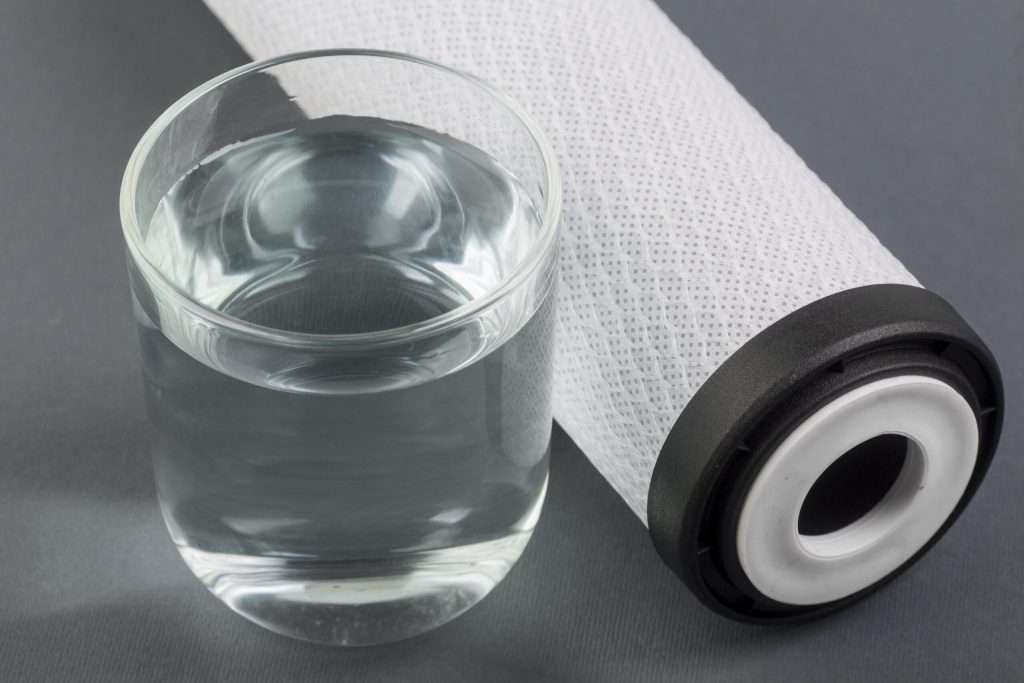
Embracing a Sustainable Future starts with making eco-conscious choices at home, and one of the most impactful is improving the quality of your drinking water. As environmental awareness grows, more homeowners are turning to EcoWater Filter Systems to support a healthier lifestyle and reduce their ecological footprint. These eco-friendly water filtration systems not only deliver clean, great-tasting water but also help minimize the use of plastic bottles and chemical-laden purifiers. For residence within the Long Island area, Long Island Clean Water Service is considered the local experts with EcoWater Systems the showcase the true power of EcoWater and their Filters. The EcoWater Filters lie in their ability to combine advanced filtration technology with environmental responsibility, making them an ideal choice for sustainable living. EcoWater Filters help reduce household waste and conserve water resources, providing a simple yet effective way to protect both your health and the planet. By choosing an EcoWater System, you gain access to high-quality water while lowering your carbon footprint. EcoWater Filters work, offer practical filter replacement tips, and highlight the top benefits of switching to an eco-conscious water treatment solution. How Do EcoWater Filters Work? EcoWater Filters operate using multi-stage filtration technology designed to remove a wide range of contaminants from your water supply. These systems often include components such as activated carbon filters and reverse osmosis membranes to eliminate sediment, chlorine, lead, and other harmful substances. What sets EcoWater filtration systems apart is their ability to adapt to local water conditions. Many models offer customizable filtration settings, allowing homeowners to fine-tune performance based on specific water quality concerns. For residents in areas with unique challenges—such as Long Island’s water supply—EcoWater Systems offer customized solutions that target local contaminants and hardness levels. Maintaining your EcoWater Filter is essential for ensuring long-term efficiency. Routine filter changes and regular inspections help the system operate smoothly and continue delivering high-quality water. We’ll cover maintenance best practices in a later section. Benefits of Using EcoWater Filters EcoWater Filters provide a wide range of benefits, making them a top choice for environmentally conscious homeowners seeking cleaner, better-tasting water. One of the key advantages is the improved flavor and clarity of drinking water by eliminating impurities such as chlorine, sediment, and unpleasant odors. This leads to a more enjoyable drinking experience and encourages healthy hydration habits for the whole family. Beyond taste, EcoWater Filters offer substantial environmental benefits. By reducing the need for single-use plastic bottles, these systems help minimize plastic waste and protect natural resources. Many EcoWater models are also engineered for energy efficiency, aligning with modern sustainability standards. Additionally, cleaner water supports your long-term health by filtering out harmful contaminants. For more details on the health advantages of water filtration, explore this guide. To fully enjoy these benefits, regular system maintenance is essential. Performing routine inspections and timely filter replacements ensures continued performance and extends the lifespan of your EcoWater Filter. In the next section, we’ll cover essential maintenance tips to keep your system running efficiently year-round. Replacement Tips for EcoWater Filters Consistent maintenance of your EcoWater Filter is critical to ensure it continues to deliver clean, high-quality water. Most EcoWater systems recommend replacing filter cartridges approximately every six months. However, the frequency may vary depending on your usage patterns and local water quality. Look out for warning signs such as decreased water pressure, strange taste, or unpleasant odor, all of which indicate it’s time for a filter replacement. Delaying replacements can compromise your water quality and reduce the overall efficiency of your filtration system. To prevent these issues, consider scheduling periodic inspections by a certified technician. Professional servicing ensures that filters are correctly installed and functioning optimally, which ultimately safeguards your home’s water supply. If you’re unsure how to replace a filter or identify signs of wear, a professional consultation can provide expert guidance. This proactive approach not only extends the lifespan of your EcoWater Filter but also ensures you’re continuously receiving the cleanest and safest water possible. Common Issues and Troubleshooting Steps While EcoWater Filters are known for their reliability, occasional issues can arise—especially if regular maintenance is overlooked. Common problems include reduced water flow, strange tastes, or unusual system noises. These symptoms often result from clogged filters, air in the lines, or loose connections. Start with simple troubleshooting techniques: check for blockages, ensure all components are tightly secured, and refer to your user manual. In many cases, a quick inspection can resolve the problem. Preventive maintenance, including filter cartridge replacement and water quality testing, can also help detect and resolve issues before they become major concerns. Consider scheduling professional water testing to assess your system’s performance regularly. If issues persist after basic troubleshooting, it’s best to consult a qualified technician. They can diagnose more complex problems and restore your system to full functionality—ensuring you continue to receive high-performance, contaminant-free water. FAQ Section Have questions about how to get the most out of your EcoWater Filter? Here are some of the most frequently asked questions by homeowners just like you: How often should I replace my EcoWater Filter? Most EcoWater Filters should be replaced every six months. However, depending on your water quality and usage, some systems may require more frequent changes. Monitor taste, flow rate, and manufacturer recommendations to determine the best schedule. Are there different types of EcoWater Filters available? Yes, EcoWater offers a variety of filtration systems, including whole-home filters, under-sink systems, and compact models—each designed to meet specific household needs and space requirements. What maintenance does an EcoWater Filter require? Routine maintenance includes replacing the filter cartridges on schedule and performing occasional system checks to ensure all parts are operating correctly. These simple steps help maintain consistent water quality and system longevity. Can EcoWater Filters be used in apartments? Absolutely. EcoWater provides compact, efficient systems that are ideal for apartment living. These models offer the same performance as larger systems, with space-saving designs that fit
A Buyer’s Guide to Whole House Water Filter Systems

Concerns about water quality continue to rise, making it essential to safeguard the water supply in your home. Choosing the best whole house water filter can significantly improve water quality throughout your household. These systems address a wide range of impurities, ensuring that every drop of water you use is cleaner and safer. Whole house water filter systems offer numerous benefits, such as reducing contaminants and improving the efficiency of appliances. They provide a comprehensive solution by treating water at the point of entry, which means every faucet and shower in your home delivers filtered water. For those interested in the benefits of such systems, exploring the advantages of whole house water filtration can offer more insights. This article will guide you through selecting the best system for your needs. We will discuss key factors to consider, such as installation tips and maintenance insights. Whether you’re new to water filtration or looking to upgrade, understanding these elements can help you make an informed decision that suits your household’s unique requirements. Understanding Whole House Water Filtration A whole-house water filter system, also known as a point-of-entry system, treats water as it enters your home, ensuring all faucets, showers, and appliances receive filtered water. These systems are commonly used to remove sediment, chlorine, and other contaminants that affect plumbing and water aesthetics. However, they may not always eliminate harmful substances like PFAS, lead, or bacteria unless equipped with specialized filtration media. For comprehensive protection, whole-house systems are often paired with point-of-use filters—installed at specific locations like kitchen sinks—to target contaminants that require more advanced filtration. Whole house systems address various contaminants that can affect water quality and appliance efficiency. These systems can tackle impurities such as chlorine, sediment, and volatile organic compounds. By doing so, they help maintain the efficiency of appliances and improve the overall quality of water used for drinking, cooking, and bathing.Before selecting a system, it’s important to test your water quality to identify specific contaminants present in your supply. This step ensures that you choose a system tailored to your needs. For those interested in understanding their water better, water quality testing provides valuable insights into what might be lurking in your water. How to Choose the Right Whole House Water Filter for Your Home When choosing a whole house water filter system, several factors should guide your decision. Water pressure requirements and flow rates are crucial considerations. The system must handle your household’s demand without compromising performance. Additionally, specific contaminant concerns should dictate the type of filter you select.Consulting a professional can provide valuable guidance in selecting the right system. Professionals can help assess your home’s needs, ensuring that the system you choose is properly sized and effective for your specific situation. This step can save time and prevent costly mistakes down the line. Exploring different system options can also be beneficial. Each system offers unique capabilities, from addressing specific contaminants to providing varying levels of filtration efficiency. For a deeper dive into available options, consider learning more about the best whole house water filters and their features. Fascinating Facts About Whole House Water Filter Systems Whole house water filters, also known as point of entry systems, treat water as it enters your home, ensuring all taps provide filtered water. This comprehensive approach offers numerous benefits to household water quality. Common contaminants addressed by these systems include chlorine, sediment, and iron. For those dealing with iron and rust, a specialized system can be particularly effective. Before selecting a system, testing your local water quality is crucial. Residents in regions such as Long Island can access water quality testing services to better understand their specific needs. Professional installation can greatly enhance the effectiveness of your system. For detailed guidance, consider insights on installation processes. Maintenance is key to system longevity. Regular inspections and timely filter changes ensure efficiency and cost-effectiveness. Dive into FAQs for more maintenance tips. Where and How to Install a Whole House Water Filter System Installing the best whole-house water filter system requires careful planning to ensure optimal performance. Selecting the right location for installation is crucial. Typically, the system should be placed where the main water line enters the home, ensuring that all water used within the household passes through the filter. This setup maximizes the benefits of the filtration system, providing clean water to every faucet and appliance. While many homeowners opt to install these systems themselves, enlisting professional assistance can enhance the precision and longevity of the setup. Professionals can navigate complex plumbing configurations and ensure that the system operates at peak efficiency. For those considering a DIY approach, understanding the intricacies of plumbing and water pressure is essential. Additional insights on installation processes can be found by exploring resources on whole home water filtration system installation. Space considerations also play a significant role in installation. The area should be spacious enough to accommodate the system and allow for easy access during maintenance. Ensuring that there is enough room for future upgrades or component replacements can save time and effort down the line. Proper installation not only enhances system performance but also contributes to its longevity, making it a worthwhile investment for any homeowner. Whole House Water Filter Maintenance: How to Extend System Life Regular maintenance is key to ensuring that your whole house water filtration system continues to operate effectively. One of the most critical tasks is adhering to a consistent filter replacement schedule. Over time, filters can become clogged with contaminants, reducing their efficiency. Checking manufacturer guidelines will provide specific timelines for replacements, but generally, filters should be replaced every six months to a year. Conducting routine system inspections is another important practice. Regular checks can identify potential issues before they become significant problems, saving both time and money in the long run. Different types of systems may require varying levels of maintenance effort, but many modern systems are designed for ease of maintenance, offering both time and cost efficiencies. For more detailed answers about maintenance queries, consider reviewing
Aerus vs. Ecowater: Choosing the Best Water Filter System for Your Home

More homeowners are actively searching for the best water filter system for their home as awareness grows around how water quality impacts health and daily life. With this growing awareness, many homeowners are considering different water filter systems to enhance the quality of water in their homes. Choosing the right system can make a significant difference in improving water quality and ensuring a healthier lifestyle. Choosing between Aerus vs. Ecowater is one of the most common decisions for those looking to compare water filtration systems and improve their home’s water quality. Each system offers unique features that can address various water issues, making it essential to choose one that fits your specific needs. For those weighing their options, comparing Aerus vs Ecowater provides valuable insights into which system might be best suited for your home. In this guide, we’ll compare Aerus vs. Ecowater systems, highlighting pros, cons, and key features to help you choose the best water filter system for your home.. Whether you’re looking to improve water taste, reduce impurities, or enhance overall water quality, understanding these systems will guide you in making the right choice. Key Features of Aerus vs. Ecowater Water Filter Systems Aerus and Ecowater both offer advanced technologies in their water filter systems, each designed to tackle specific water challenges. Aerus focuses on innovative filtration methods that aim to reduce a wide range of impurities. Their systems often include multi-stage filtration processes that address common household contaminants. This can be particularly beneficial for families looking to improve the taste and clarity of their tap water. On the other hand, Ecowater systems emphasize efficiency and sustainability. They incorporate cutting-edge technologies that not only filter water but also conserve energy. These systems are designed to be eco-friendly, making them a great choice for environmentally conscious homeowners. For those interested in the latest advancements in water filtration, exploring innovative technologies can provide further insight into how these systems operate. Understanding your specific water quality issues is crucial before choosing a system. If your primary concern is reducing chlorine taste or removing sediment, Aerus might be the better option. However, if you prioritize energy efficiency and environmental impact, Ecowater could be more suitable. By identifying your household’s needs and comparing the features of each system, you can select a solution that enhances your home’s water quality effectively. Pros and Cons of Aerus and Ecowater Water Systems Both Aerus and Ecowater systems come with their own set of advantages and disadvantages. Aerus systems are known for their robust filtration capabilities, which can significantly improve water taste and clarity. They are often praised for their ability to handle a variety of contaminants, making them a versatile choice for many households. However, these systems may require more frequent maintenance due to their complex filtration processes. Ecowater systems, in contrast, offer ease of installation and low maintenance requirements. They are designed to be user-friendly, which can save homeowners time and effort in the long run. Additionally, Ecowater systems tend to be more cost-effective over time due to their energy-efficient design. For those considering whole house filtration options, understanding the effects on overall home water quality can help in making an informed decision. When deciding between Aerus and Ecowater, consider hypothetical scenarios that might apply to your home. If you live in an area with hard water or specific contaminants, Aerus may offer more comprehensive solutions. Conversely, if you prefer a system that requires minimal upkeep and aligns with green living practices, Ecowater could be the better fit. Evaluating these pros and cons will help you determine which system best meets your needs. Interesting Facts About Aerus vs. Ecowater Systems Choosing between Aerus and Ecowater systems can significantly impact your home’s water quality. These systems offer various benefits, including improved hydration and reduced waterborne contaminants. Aerus systems are known for their advanced air purification capabilities, which can complement their water filtration technology, providing a holistic approach to home health. Ecowater systems have a reputation for energy efficiency, which may reduce overall household energy consumption. This aspect can be an important consideration for eco-conscious homeowners. Both brands provide unique solutions tailored to different water quality issues, such as iron, lead, and bacteria, offering customizable options to suit individual household needs. Consulting a professional can ensure you make an informed choice. Whole home water filter systems, like those offered by Aerus and Ecowater, can drastically improve water quality by addressing a broad range of contaminants, from sediment to chlorine. Discover the benefits of water filtration to see how these systems perform. Innovative technologies in water filtration continue to evolve, offering enhanced filtration capabilities. Both Aerus and Ecowater leverage cutting-edge advancements to maintain high water quality standards. Learn more about new cutting-edge systems available today. Filtration Efficiency and Energy Use Comparison Performance metrics play a pivotal role in choosing between Aerus and Ecowater systems. When evaluating a water filter system, factors such as filtration efficiency, longevity, and energy consumption are crucial. Aerus systems often boast high filtration efficiency, addressing a wide range of contaminants, which can be ideal for households with specific water quality issues. On the other hand, Ecowater systems are known for their energy-efficient models that can help reduce utility bills over time. Longevity is another critical aspect to consider. Aerus systems typically offer durable components designed to withstand regular use, while Ecowater systems provide innovative features that may extend the lifespan of the unit. Consulting a professional for tailored advice ensures that you have all the information you need to make a decision that is right for your specific needs. This approach allows homeowners to select a system that aligns with their unique water quality challenges and household requirements. Energy consumption also impacts the decision-making process. Ecowater’s emphasis on sustainability means their systems often consume less energy, making them an attractive option for environmentally conscious consumers. Evaluating these performance metrics can guide homeowners in making an informed choice between Aerus and Ecowater, ensuring the selected system meets their specific needs and preferences.
The Ultimate Guide to Aerus Air Purifiers: Clean Air for a Healthier Home

Indoor air quality isn’t just a seasonal concern—it’s a year-round priority, especially for families on Long Island dealing with allergies, humidity, and urban pollution. Whether you’re tired of dust buildup or worried about what you’re breathing in, investing in an Aerus air purifier can help you take control of your home environment. At LI Clean Water, we’re committed to helping Long Island homeowners create healthier indoor environments with trusted solutions for both clean water and clean air. This guide breaks down what makes Aerus air purifiers stand out, how their advanced technology works, and what you need to know to keep them running efficiently year after year. Quick Take: Aerus air purifiers combine HEPA, carbon, and ActivePure® tech to fight allergens, odors, and airborne pathogens. Learn how they work—and why they’re trusted in homes and hospitals alike. Why Indoor Air Quality Matters According to the EPA, indoor air is often 2 to 5 times more polluted than outdoor air. And in New York—especially densely populated areas like Long Island—residents face additional challenges due to a mix of coastal humidity, traffic emissions, and seasonal allergens. Common Long Island Air Pollutants Include Pollen and mold spores (especially during Long Island’s humid spring and fall seasons) Volatile organic compounds (VOCs) from household cleaners, paints, and building materials Dust, dander, and pet allergens in sealed indoor spaces Smoke, cooking fumes, and off-gassing from furniture and synthetic materials Prolonged exposure to these pollutants can lead to asthma, allergies, sinus issues, and general fatigue. That’s why many families are turning to high-efficiency air purifiers for daily relief. What Sets Aerus Air Purifiers Apart? Aerus has been at the forefront of indoor environmental technology for over 90 years. Their current line of air purifiers—used in homes, schools, and hospitals—combines multiple filtration technologies for comprehensive protection. Key features include: True HEPA filtration: Captures 99.97% of particles down to 0.3 microns Activated carbon filtration: Absorbs odors, VOCs, and gases ActivePure® Technology: A NASA-inspired, patented system proven to reduce airborne and surface contaminants In fact, studies by the University of Texas Medical Branch found that ActivePure® can rapidly inactivate viruses like SARS-CoV-2, RSV, and monkeypox in aerosol form—without ozone or other harsh byproducts. The study highlights Active Pure’s potential as a valuable tool for improving indoor air quality and infection control, particularly in high-risk settings. Benefits of Aerus Air Purifiers Allergen control: Reduce sneezing, coughing, and itchy eyes from pollen, dust, and pet dander Surface & air decontamination: Reduce the risk of illness from airborne viruses or bacteria Odor removal: Eliminate persistent smells from smoke, pets, and cooking Low-maintenance operation: Many models feature filter change indicators and ultra-quiet motors For allergy sufferers or households with children, seniors, or immunocompromised members, these benefits are more than convenient—they’re essential. Maintenance Tips for Long-Term Performance To ensure your Aerus air purifier continues working at peak efficiency, follow these simple care guidelines: Change HEPA filters every 6–12 months depending on usage and air quality Replace carbon filters when odor returns or per manufacturer’s schedule Clean the unit’s exterior and vents regularly to prevent dust buildup Check for blinking indicators or use app-enabled models to monitor air quality in real time These steps help prolong the life of your unit while ensuring maximum protection every day. Backed by Science and Public Health Guidance The importance of indoor air purification is backed by strong public health data. The Centers for Disease Control and Prevention (CDC) emphasizes that HEPA filtration and improved airflow are critical tools for reducing airborne contaminants, particularly in shared indoor spaces. Their guidance highlights the role of air cleaners in minimizing respiratory risks from viruses, allergens, and other indoor pollutants—especially in homes with vulnerable individuals like seniors, children, or those with chronic illnesses. The U.S. Environmental Protection Agency (EPA) further supports this by stressing that not all air cleaners are created equal. Their Guide to Air Cleaners in the Home outlines that only certified systems that are tested for particle removal efficiency are effective at removing pollutants like fine particulate matter, smoke, dust, and pet dander. The EPA also notes that combining certified air filtration with source control and proper ventilation is the most reliable approach to creating healthier indoor environments. Closer to home, research published by NYC Health found that children living in New York City neighborhoods with poor indoor air quality experience significantly higher rates of asthma-related emergency room visits. This trend is especially prevalent in areas with aging buildings, high humidity, and limited ventilation—all common in parts of Long Island. These findings underscore the need for comprehensive indoor air solutions, particularly those proven to reduce airborne triggers like dust mites, mold spores, and environmental pollutants. Why Buy from LI Clean Water? At LI Clean Water, we’re not just here to sell you an air purifier—we’re here to help you breathe easier, live healthier, and feel confident about the air in your home. As a licensed Aerus distributor with over 17 years of hands-on experience in both air and water treatment, we understand that no two homes—or families—are alike. That’s why we prioritize education, personalized guidance, and long-term solutions over one-size-fits-all fixes.Our commitment goes far beyond the box your purifier comes in. When you work with us, you get: Free air quality consultations: Whether online or in your home, we take the time to assess your needs and recommend the best solution for your space, lifestyle, and budget. Genuine Aerus systems: Our units are built using high-quality, NSF-certified components and backed by one of the most trusted names in air purification. Flexible installation options: We offer systems that are simple enough for DIY installation, or we can connect you with trusted professionals for full-service setup—your choice. Ongoing support: We’re here after the sale too, offering help with replacement filters, maintenance tips, and performance insights so your system keeps running like new. From Nassau to Suffolk and everywhere in between, we know what local homeowners are up against—from seasonal allergens to urban pollutants—and we know how to help. When you choose
The Future of Purification Is Now

Clean water is essential for healthy day-to-day living. It’s vital to drink, get clean, cook your food, to run your appliances. Most people believe that the water in their house is clean, safe, and free of contaminants. Unfortunately, without proper treatment, it’s likely that a residential water source isn’t as healthy as one might assume. Thanks to the ever-advancing technologies within the water treatment sphere, a consumer has many different options to address their particular concerns. We’re so excited to add some new, cutting-edge products to our lineup by Aerus and Voltea! The Aerus Elevate pH 600+ is a residential reverse osmosis system, which works to remove dissolved substances from your water through a multiphased filtration system. It filters out heavy metals, proteins, sugars, odor-causing solutes, and other such minuscule particulates to produce water that’s free of any foreign material. While that alone would be great for health, this process naturally warps the pH of the water, which many other systems may have to accept as a byproduct of the filtration process or add an alkaline filter to the system. However, the Elevate pH 600+ has two separate filtration phases in its RO chain that serves to reintroduce proper pH through the proprietary pH-enhancing filtration technology. For a larger-scale filtration solution with an equally small footprint, there’s the Voltea DiEntry: CapDI. This purification system focuses on filtration at the point of entry as the salt-less water purification system is available at a residential level. The ease of upkeep is paired with the ability to fine-tune the exact amount of salt removal desired by the owner to best fit their specific needs. With low energy consumption and reduced wear and tear on your pipe system, the CapDI is potentially a sensible choice for both one’s health and wallet. For concerns specific to chlorine content, harsh chemicals, and hard water in the home, the WC 200 by Aerus is a dual-purpose carbon-based water filtration and water softening solution. This handy product packs live measurement and monitoring and precise filtration into a powerful, customizable system. If you’re ready for that squeaky clean feeling after showers or getting streakless, spotless dishes, the WC 200 may very well be exactly what you were looking for. And, indeed, while ultimately these devices are meant to filter out contaminants and other unwanted material to provide healthier living and heightened quality of life, there’s one thing just as important as water – the very air we breathe. With COVID still in full swing, being mindful of the air quality you’re breathing in is more and more of a concern…not to mention things like allergens, dust particles, and mold. The Aerus Beyond Guardian Air is a powerful, portable, plug-and-play solution for your home or business, reducing over 99.9% of airborne and surface-bound contaminants with its ActivePure technology and Hybrid filtration system Thanks to its photocatalytic process, it transforms the ambient hydrogen and oxygen into powerful oxidizing molecules that seek out and deactivate pathogens whenever and wherever they occur. See the brochures linked above in the title of each product for more specific product information.