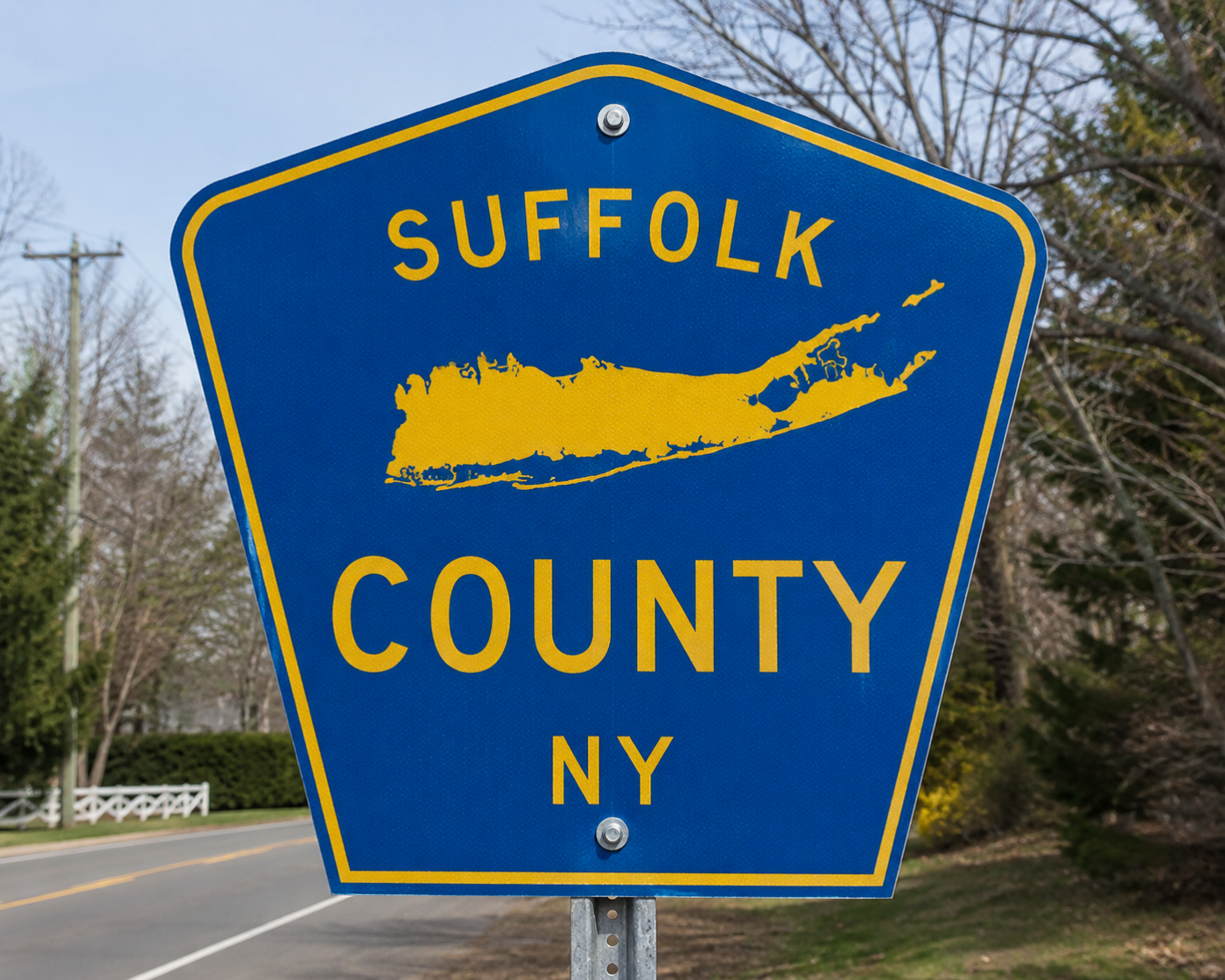
For thousands of Suffolk County homeowners, a private well offers independence and a direct connection to Long Island’s underground aquifers. But unlike residents served by public water suppliers, well owners are solely responsible for monitoring and treating their drinking water.
From Manorville and Calverton to East Moriches, Wading River, Southold, Mattituck, and parts of Brookhaven and Riverhead Towns, private wells remain a common source of household water. While many of these wells provide excellent water, Suffolk County’s unique groundwater challenges mean homeowners should never assume their water is free from contamination.
According to the Suffolk County Department of Health Services, an estimated 40,000 to 45,000 private wells serve more than 200,000 Suffolk County residents. Because a public utility does not continuously monitor private wells, homeowners must take responsibility for testing and treatment.
The Challenges Beneath the Surface
Suffolk County sits atop Long Island’s sole-source aquifer system, meaning virtually all drinking water comes from groundwater beneath our feet. Over the years, researchers and environmental agencies have documented increasing concerns about nitrates, PFAS “forever chemicals,” and other contaminants reaching the aquifer.
Nitrates are of particular concern throughout much of Suffolk County. Experts have linked rising nitrate levels to aging cesspools, septic systems, fertilizers, and other sources that can impact groundwater quality.
In recent years, PFAS compounds have also been detected in numerous Suffolk County wells, including investigations involving private wells in communities such as Calverton and Mattituck.
The challenge for homeowners is that many contaminants have no taste, odor, or color. Water can appear clear and pure while still containing substances that warrant treatment.
What Suffolk County Homeowners Are Discovering
At Long Island Clean Water Service, technicians frequently encounter homeowners who initially request testing because of a staining issue, sulfur odor, or hard water problem, only to discover additional concerns that were completely invisible.
“We’ve been helping Long Island families with their water for more than forty years, and one thing I’ve learned is that you can’t judge water quality by looking at it,” says company founder and president Mark Shmidt. “Some of the most significant issues we find are things homeowners never knew were there. That’s why testing is so important, especially for families on private wells.”
How Long Island Clean Water Service Is Helping
Long Island Clean Water Service begins with a comprehensive in-home water analysis to identify both aesthetic and health-related concerns.
Depending on the results, the company may recommend:
- Whole-house filtration systems
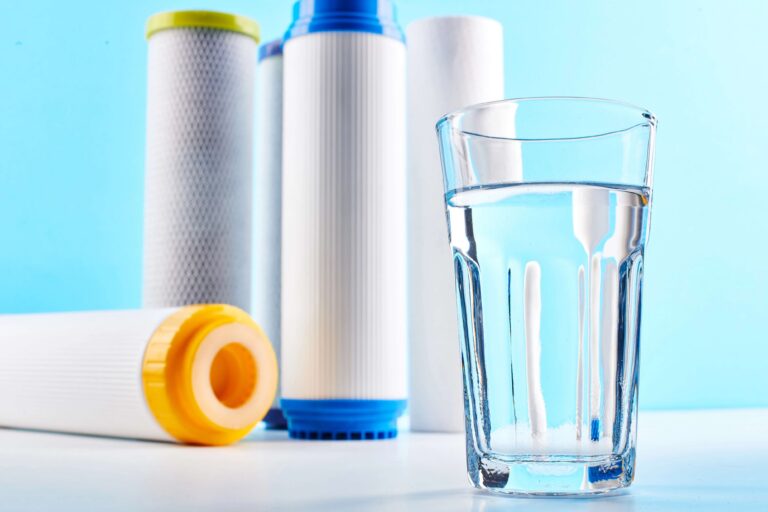
- Reverse osmosis drinking water systems
- Water softeners
- Iron and manganese removal systems
- Sulfur odor treatment
- Sediment filtration
- Advanced treatment solutions for PFAS and other emerging contaminants
Because every well is different, each system is designed around the specific water conditions found at the home.
Peace of Mind for Suffolk County Families
For homeowners in communities such as Wading River, Calverton, Mattituck, Cutchogue, Aquebogue, Eastport, and East Moriches, regular testing can provide valuable peace of mind and help identify issues before they become serious problems. At Long Island Clean Water Services, we offer free water tests to residents of Suffolk County and across Long Island.
“As Long Islanders, we’re fortunate to have access to a tremendous groundwater resource,” says Shmidt. “But protecting your family starts with knowing what’s in your water. Once you know that, there are solutions for virtually every water quality problem we encounter.”
Long Island Clean Water Service has been helping Suffolk County homeowners improve their drinking water since 1985, providing customized treatment solutions designed specifically for Long Island’s unique groundwater conditions.